Growing Hawaiian baby woodrose as an ornamental vine
Updated
Argyreia nervosa is a fast, frost-tender climber with large, velvety, silver-backed leaves, and that foliage is the main reason to grow it. In a cool climate it needs a warm conservatory or a heated greenhouse for most of the year; in the tropics it can grow into a 10 metre vine that escapes into the wild. Flowers and seed pods come only on mature, well-grown plants.
The seed coat
The first hurdle is the seed itself. Most seeds in the morning glory family have physical dormancy: a hard, waterproof seed coat that keeps water out until it is damaged. A 2024 study from Sri Lanka tested five Argyreia species and found that intact Argyreia nervosa seeds did not take up water or germinate; only scarified seeds did (Gunadasa et al., 2024).
Scarifying simply means making a small break in the seed coat so water can get in. Gardeners usually nick the coat with nail clippers or rub a small spot on sandpaper until the paler tissue underneath just shows, without cutting deep into the seed. Then sow it shallowly in a moist, free-draining seed compost.
Warmth and light for germination
The plant is tropical, and the seeds and seedlings behave that way:
- Keep the sown pot warm. A propagator or a heating mat under the pot helps in a cool house; a sunny windowsill above a radiator often works too.
- Keep the compost moist, never waterlogged. Mixing in perlite keeps the mix open and stops the seed from rotting.
- Expect germination to be uneven; not every seed comes up.
- Give seedlings as much light as possible once they appear, to stop them stretching.
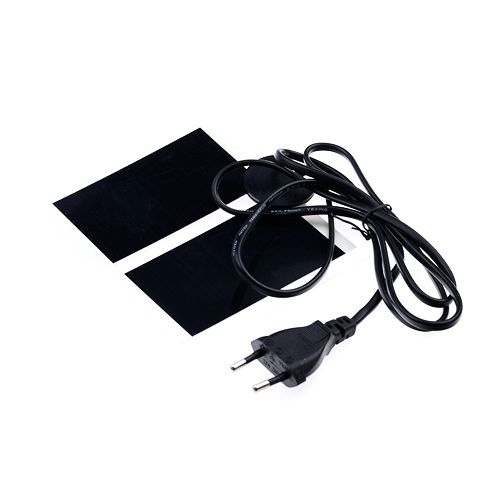 Avalon Heating Mat Small - 14x15 cm
€14.95
Avalon Magic Plants
Avalon Heating Mat Small - 14x15 cm
€14.95
Avalon Magic Plants
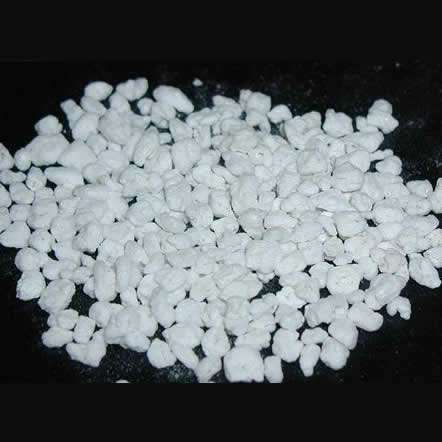 Perlite - 1000 cc
€3.95
Avalon Magic Plants
Perlite - 1000 cc
€3.95
Avalon Magic Plants
Pot, soil and support
Move the seedling into a larger pot once roots show at the bottom. Professional growers keep it under glass in a loam-based potting compost in full light (Wikipedia, citing RHS guidance). Outdoors in a warm climate it wants moderately fertile, moist but well-drained soil in full sun.
The vine twines, so it needs something to climb: canes, a trellis, wires along a conservatory wall. It grows quickly in warm, bright conditions and can be pruned to keep it in bounds. Leaves of a well-grown plant can reach 30 cm across (Business Queensland).
Watering and feeding through the year
- Spring to autumn: water freely and feed about once a month with a balanced liquid fertiliser.
- Winter: water much less and stop feeding. Growth slows or stops.
- Temperature: where temperatures drop below about 13 °C, the plant needs a warm greenhouse or conservatory (Wikipedia). It can spend a warm summer on a sheltered patio but has to come back in before nights turn cool.
Flowers and pods
Trumpet-shaped flowers, pale pink to lavender with a darker throat, appear in clusters on mature plants in warm conditions. Whether a pot-grown plant flowers depends on its age, warmth and light, and in a cool climate it may not flower at all. After flowering the berries dry on the vine. If you grow the plant for its looks, cut the dried fruit off: it keeps the plant tidy and, in a warm climate, stops birds from spreading the seeds.
Keeping it contained
In northern Queensland, where the climate suits it, the vine escaped from gardens, smothers trees and invades rainforest. It is now a restricted invasive plant there that may not be given away, sold or released (Business Queensland). In the tropics or subtropics, check local rules before planting it outside. In a European conservatory the risk is small, but do not plant it out or dump cuttings and seeds in nature.
Keep seed packets and dried pods out of reach of children and pets. The seeds contain the alkaloids described on the alkaloids page.
Seeds
The seeds on offer are sold as botanical specimens for growing, not for consumption. Buying them is legal in the Netherlands; that is not the case everywhere, so read the legal status page first.

Read on
- The plant: botany and relatives
- Legal status by country
- About this site